
How to Pay with Us
Jonathan Ellis2 min read
Independently verified · Lot-traced
Free US shipping over $120
Same-day US dispatch · COA in every box
Selecting the right peptide is one of the most important decisions in any research project. Whether you're investigating receptor signaling, protein interactions, immunology, or drug discovery, the peptide you choose can significantly influence the reliability and reproducibility of your results.
When it comes to peptide research, having the right equipment can make all the difference. Even a well-planned experiment can be affected by inaccurate measurements, poor storage conditions, or contaminated samples. That's why researchers don't just focus on their methods—they also pay close attention to the tools they're using.
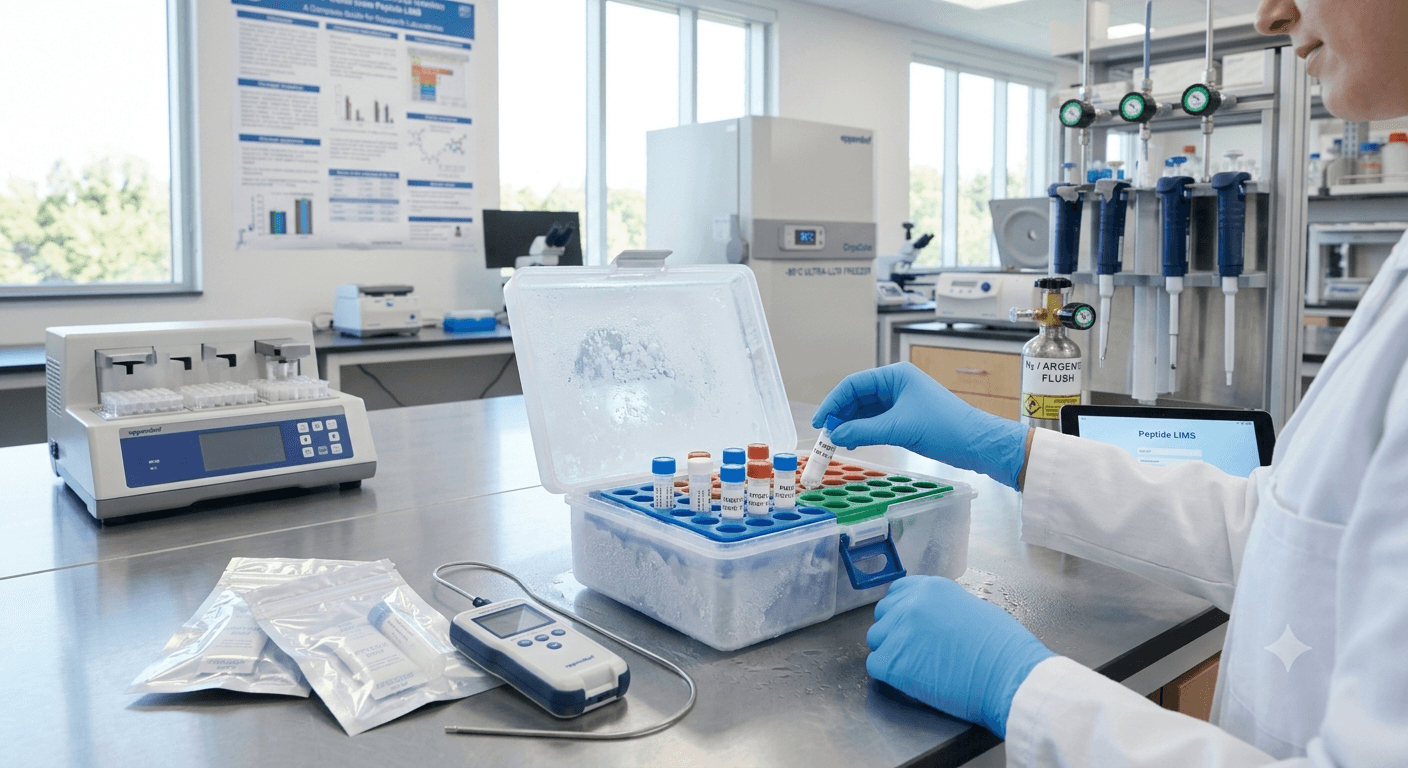
Peptide integrity is essential for producing reliable and reproducible research results. Whether you're working with custom synthesized peptides or commercially available research peptides, proper storage can significantly reduce degradation, preserve purity, and maintain experimental consistency.
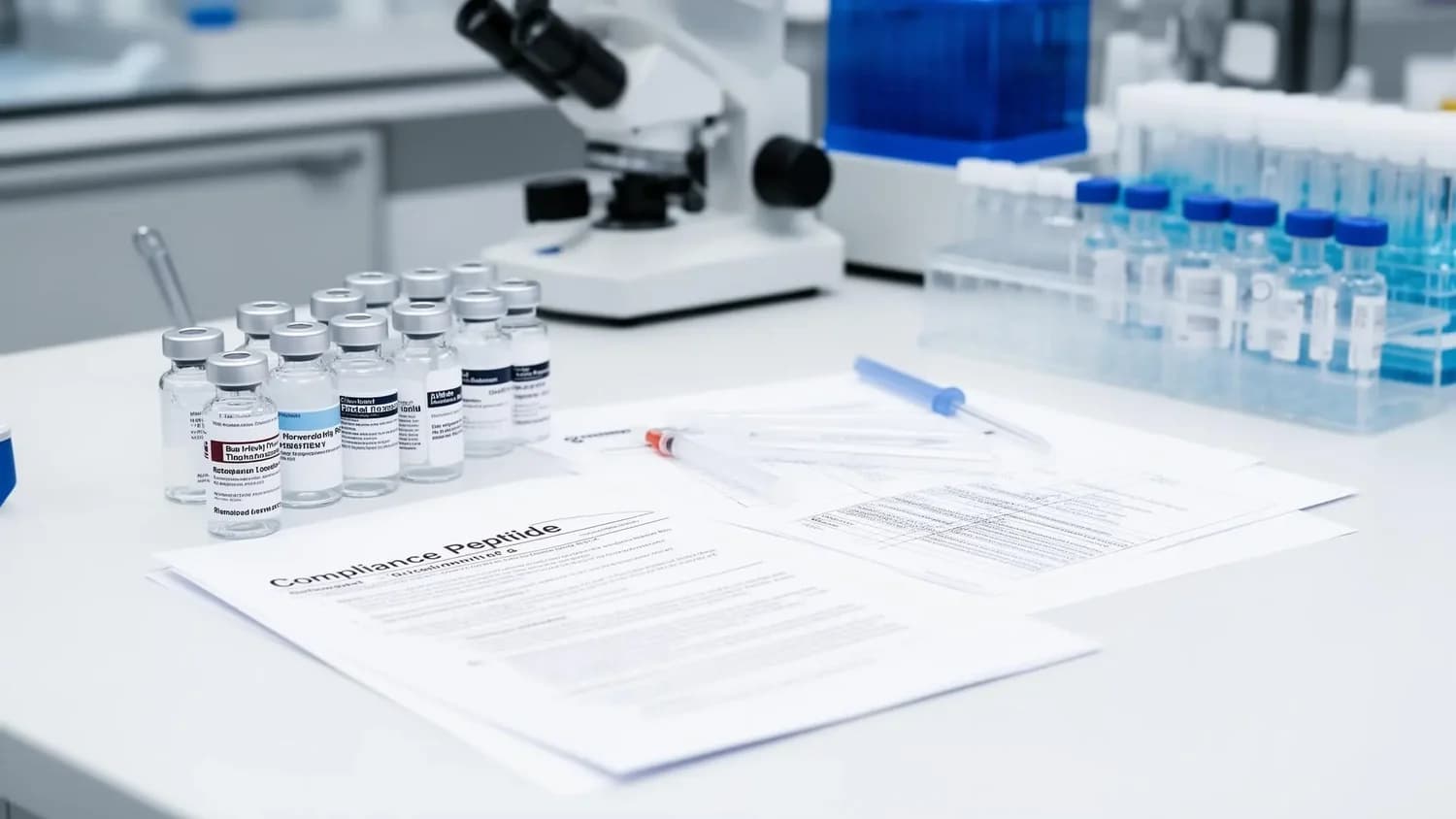
Scientific research depends on one critical principle: reproducibility. Whether you're conducting early-stage drug discovery, validating published data, or performing routine laboratory experiments, obtaining consistent results is essential. While researchers often focus on experimental design and methodology, one factor that can significantly influence outcomes is the quality and consistency of research peptides.